The world cup can spark up positive conversations about mental health
We love the passion, the emotion and the atmosphere created by coming together and watching football as a group. Cheering and booing in unison can help release anxiety, offer escapism and help with decompressing after a long day at school or work. Football brings people together and can be the perfect place to spark meaningful connections with friends if you know how to do it.
Mental ill health in men
Suicide is the leading cause of death among young men under 35 in the UK, 75% of suicides in 2023 were boys or young men this has steadily increased over that last few years affecting families, friends and communities across the country. What has changed since the last World Cup in 2022 and how can we implement change through conversations around accessing mental health support during this year’s World Cup.
Related interests can close the gap of isolation, a coping mechanism, and encourage mutual understanding and respect through having a relationship with football or a specific love for a club can combat low-mood, anxiety and depression through connection with others.
What do you do if your friend says they have a low-mood, depression, anxiety or tell you they are struggling?
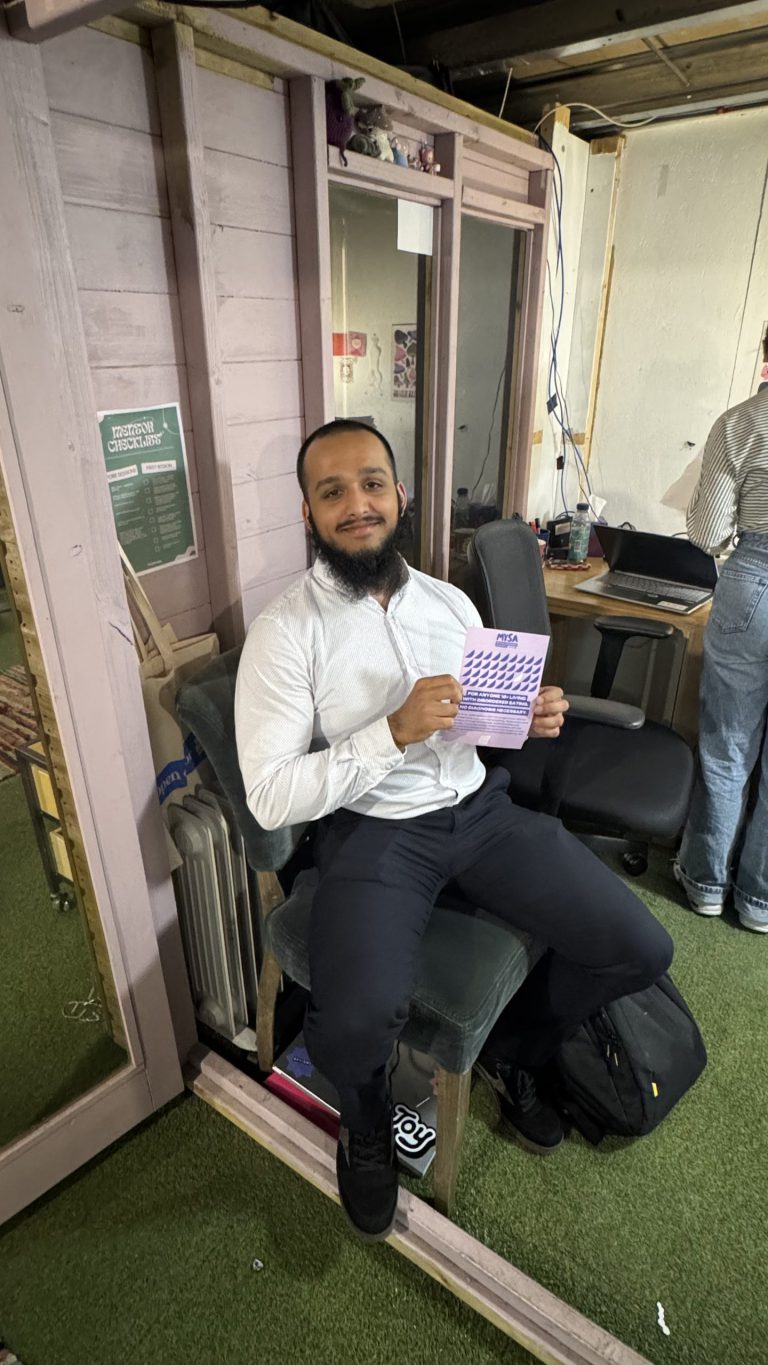
Signposting and directing someone to mental health services and resources confidently can help reassure them it can help and they aren’t alone. Our CBT programme for low-mood, anxiety and depression symptoms, Bazaar, provides support for young people and adults between the ages of 14 – 35 years old. Bazaar is an eight, in-person sessions that provide a toolkit to combat negative thought patterns. Bazaar is delivered by mentors; volunteers who dedicate their time to provide free, fast and effective mental health support. Our mentors have an impact on those who are struggling and are prime examples of representation creating change and having a lasting impact on individuals.
Male peer-to-peer influence works
Young boys and men are least likely to seek support due to fear of stigma and peer judgement. This plays a huge part in the looming statistics surrounding suicide in the UK. Leading by example and having men be open about their struggles can let young boys know it is safe to share their feelings and struggles too. Representation and exposure to men sharing their struggles can inform the next generation what is acceptable and normalise young boys to be brave in moments of fear and seek support.
We asked some of our male mentors about the future of young boys and men’s mental health and the correlation between football plays.‘ I think in my own personal experiences watching sports, especially with friends, because we’re all really interested in football or Formula One. It just gives us a chance, we know that for that time we’re all there together, and it just gives us a bit of an opportunity to get together. It gives us that space to reach out and maybe just ask for a bit of support.’ – Callum
What to do next
The World Cup has 104 games in total – By being the change you want to see it could make an impact by the next World Cup. From the pre-match warm up, half time and post match highs or lows creates a multitude of opportunities to ask someone how they are – check in on your mates today. Because watching the world cup is more than just supporting your national team, it’s community, it’s care, it’s coming home.
Signposting for friends who need support:
Bazaar– 14-35 years old, a free, in-person eight session support programme that combats low-mood, anxiety and depression. In-person at our Bloom Building.
Branch for 0-18 years old, mental health online hub in Wirral that connects children and young people with local mental health support.